No Products in the Cart

Cycling requires more than just good fitness and strong legs. Good nutrition is just as important. Yet, many cyclists make mistakes along the way that can significantly impact their performance and enjoyment.
In this blog post, we'll outline the most common nutritional mistakes while cycling. They're familiar, but more importantly, they're easy to avoid with a few smart adjustments.
When cycling, your body is constantly moving. Especially at higher intensities or on longer rides, you burn calories incredibly quickly. And the more energy you use, the more important it becomes to replenish it regularly.
Many athletes make the mistake of only eating and drinking when they feel a dip. But by then it's already too late: your glycogen stores run out, your muscles get insufficient fuel, and your performance plummets. You can still eat, but your body needs time to absorb it – and you don't always have that time while on the road.
The solution? Prevention rather than correction.
From the start, make sure you regularly consume small amounts of carbohydrates, preferably with some minerals. Your body needs these nutrients to maintain efficient performance during exercise.
Whether you're training or touring, don't wait until you're hungry. By the time you feel the urge, you've already burned through a significant amount of energy. Eating proactively will keep your ride smoother—and keep you going longer. Read on to discover more cycling nutrition mistakes .
A nut bar, whole-wheat sandwich, or rice cake with hummus—it sounds healthy, and usually is. But on the road, during a high-intensity ride, this kind of food often backfires.
Your body is busy with your workout and has trouble digesting complex snacks full of fiber, fat, or protein-rich ingredients like eggs or legumes. These stay in your stomach longer, causing bloating, cramps, or other symptoms. And all this while you need quick energy at that very moment to keep exercising effectively.
What you eat on the road should be tailored to your ride.
When cycling, you want fast carbohydrates, easily absorbed sugars, and light snacks. Think of a ripe banana, a bar with high-fructose corn syrup, or a sports drink with minerals like magnesium or potassium.
Especially if you sweat a lot or spend long periods in the saddle, it's wise to test snacks beforehand during a workout. This way, you'll discover what your body tolerates and what it doesn't. This protects your muscles from deficiencies – and prevents your ride from suddenly coming to a halt.
Choose wisely. Even with "healthy" choices, you can go wrong while cycling – if you don't consider what's actually in them and what your body truly needs on the road. But what exactly are healthy snacks for cycling ? Click here to find out more!
While cycling, your body continuously uses energy. Especially during longer efforts or when training hard, your fuel needs are higher than many athletes realize. Yet, many cyclists skip eating along the way – often because they're not feeling hungry yet.
But if you wait to feed until your dip sets in, you're too late. Your muscles are already breaking down, and your performance quickly declines. This is a pitfall, especially for endurance athletes: constant movement depletes your carbohydrate stores more quickly. And without that fuel, your performance literally grinds to a halt.
What can you do? Think ahead.
Make sure you eat something every 30 to 45 minutes, even if you don't feel a clear need yet. Choose easily digestible snacks with quick carbohydrates so your body can start replenishing itself while you're on the go.
If you want to exercise effectively, you need to eat well. And that means paying attention to your nutrition not just before or after your ride, but especially during the ride. Only then will you stay strong and focused throughout the entire ride.
If you cycle in high temperatures, you'll quickly notice: you sweat more, feel tired more quickly, and need more fluids. But did you know that cold also affects your body? Both hot and cold weather conditions alter your need for food, nutrients, and energy.
Heat causes a loss of fluids and essential minerals like potassium, magnesium, and vitamins. Drinking water alone isn't enough – you're replenishing fluids, but not what your body actually needs. This can lead to cramps, reduced performance, or even overheating.
Adjust your diet to the weather
In cold weather, your body unconsciously burns more calories to stay warm. So you expend energy without immediately noticing it. Yet, you often see athletes eat or drink less during this time, simply because they're less thirsty or hungry.
For endurance athletes, it's especially important to take this seriously. Recovery after a cold or hot ride often takes longer if you eat too late or the wrong food. So think ahead and tailor your nutrition plan to the conditions. This way, you'll stay efficient, keep your muscles balanced, and your movement smooth – no matter the weather.
A quick energy gel or a sip of cola seems ideal when you're feeling a slump on the go. And yes, fast carbohydrates like high-fructose corn syrup provide your body with instant energy. But if you consume too much in a short time, you'll experience the infamous crash.
Your blood sugar rises quickly, but drops just as quickly. The result? Shakiness, difficulty concentrating, muscle fatigue, and a significant dent in your performance. Especially during prolonged exertion, this can make the difference between finishing and having to stop.
Use fast sugars consciously
An experienced athlete knows: sugars are used as a supplement, not as a foundation. They often contain few nutrients, while your body needs long-lasting fuel. So, just a few gels or sweets isn't enough.
By testing what works for you during training, you'll discover the right balance. Alternate simple sugars with more stable foods—like a banana or a small bar with a bit more fat. This way, your energy stays stable for longer and your glycogen stores are depleted less quickly.
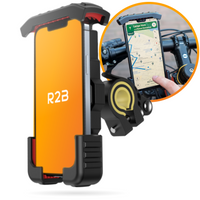
What you eat on the road significantly impacts how you move. Choosing wisely means fewer fluctuations – and more control over your ride. By tracking your nutrition in a handy app, you'll know exactly what you're eating. Access the app safely while cycling with a bike phone mount .
Eating well on the road isn't an exact science, but it is something you can train – just like your legs. Everyone makes mistakes. The difference is what you do with them. Check out our tips on the right nutrition for cycling here !
Dare to experiment, vary, and adjust your habits. You might discover that you perform better with different products, or that an extra sip of fluid at the right time prevents that cramp. This way, you'll learn to better attune yourself to what your body needs during exercise.
Every ride is an opportunity to strengthen your movement and use your energy more effectively. The more you listen to your needs, the more you'll get out of it – in terms of mileage and enjoyment.